Know that you are financially able to retire
Retire In Peace
How to use a reverse mortgage as a financial planning tool — retire without the stress of a mortgage payment or other bills, and take advantage of your home's equity earlier in life. One hour, plain English, no pressure.
Save Your Seat
Free to attend. Takes about 20 seconds.
Retirement Shouldn't Come With a Mortgage Payment
Most people reach their sixties with the majority of their net worth sitting inside their house — and no plan for how to use it. So they keep making a mortgage payment out of a fixed income, put off the repairs, delay the trip, and hope the market cooperates.
A reverse mortgage is one of the few tools that can change that math directly. On August 25 we'll show you exactly how it works, when it makes sense, and when it doesn't — so you can make the call with real numbers instead of headlines.
What You'll Walk Away With
Six things you'll be able to explain to your spouse — or your kids — by the time we're done.
Walk through the math on what retirement actually costs you each month, and see where a reverse mortgage can close the gap between your income and your expenses.
How financial planners use a reverse mortgage line of credit on purpose — to protect a portfolio in a down market, delay Social Security, or fund a Roth conversion.
Eliminate your required monthly mortgage payment and free up cash flow for the bills, care costs and travel that actually make up your retirement.
Why waiting until you're 80 to touch your equity may be the expensive choice, and how accessing it in your 60s can change the shape of your whole retirement.
Who qualifies, what you still owe (taxes, insurance, upkeep), how the FHA insurance works, and what the non-recourse protection actually means.
What happens to the home and the loan balance when you pass, and the options your children have — straight answers, no sales pitch.
What You've Probably Heard — and What's Actually True
You keep the title. You own the home just as you do today, and you stay in it as long as it's your primary residence and you keep up taxes, insurance and maintenance.
Some of the strongest uses come from homeowners with healthy portfolios who use it strategically to reduce sequence-of-returns risk and preserve investments.
These are non-recourse loans. Your heirs never owe more than the home is worth, and they keep any equity above the loan balance when the home is sold.
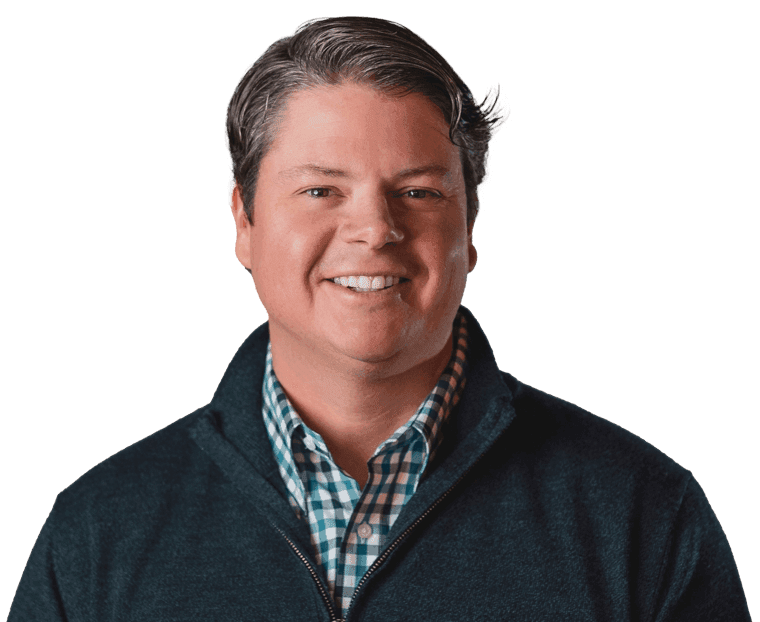
Michael has spent his career helping Triangle families make financing decisions they can live with for decades — not just close a loan. He'll walk through reverse mortgages the same way he does at his kitchen-table meetings: the numbers, the tradeoffs, and an honest answer about whether it fits your situation.
Tuesday, August 25 · 1:00 PM
Register free and we'll send you the webinar link, a reminder before we start, and the recording afterward in case you can't make it live.
Webinar FAQ
Everything you need to know before Tuesday, August 25
This webinar is for educational purposes only and is not financial, tax or legal advice. A reverse mortgage is a loan that must be repaid when the last borrower dies, sells the home, or no longer occupies it as a principal residence. Borrowers remain responsible for property taxes, homeowners insurance, and property maintenance, and failure to meet those obligations may cause the loan to become due. Borrowers must be 62 or older and complete HUD-approved counseling. Not all applicants will qualify. Consult your financial advisor and family before making a decision.